What to Do When an Employee Is Surprised by Their Review
When an employee is blindsided by their review, the problem started months ago. Here's how to handle the room — and how to not repeat the cycle.

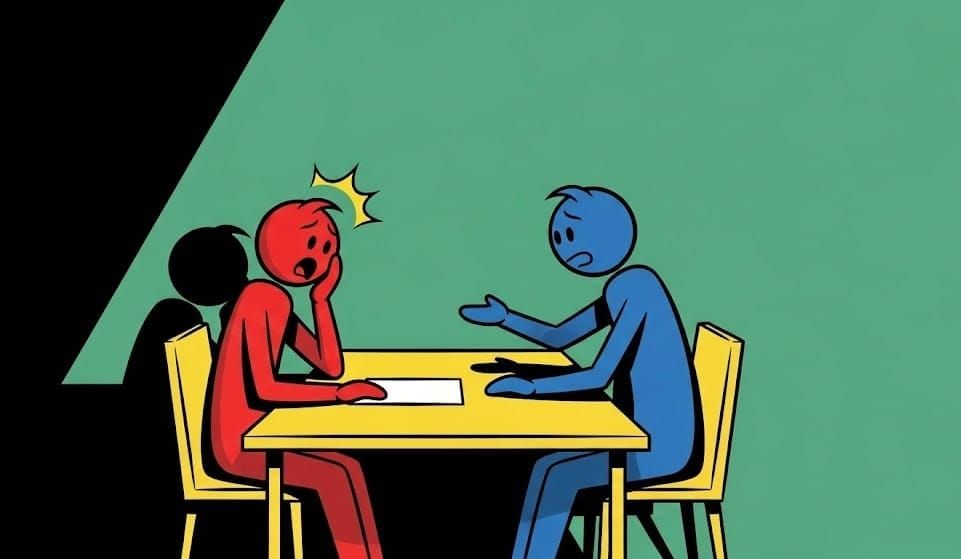
At some point, most managers end up in this situation. An associate walks into their review expecting one thing and gets something very different. Maybe they thought they were on track for a promotion. Maybe they had no idea their performance had concerns. Either way, by the time they're sitting across from you, the gap between their expectations and reality is about to become very visible.
Here's how to handle it.
How it usually happens
The most common reason an associate gets blindsided in a review is not that the manager had bad information. It's that the manager wasn't honest with them throughout the year.
It's easy to do. Telling someone what they want to hear keeps them motivated. It keeps the relationship smooth. It avoids the uncomfortable conversation you'd have to have if you told them the truth. So the manager gives positive signals all year — "you're doing great work, I see your trajectory rising, I'm pushing for you" — without actually doing anything to make that trajectory real, without having any honest conversations about what's actually in the way.
Then review time comes, and the gap between what the manager said and what the rating reflects is enormous. The associate walks in expecting good news. They leave in shock.
I'll be honest: this fills me with dread. When I know I have to go tell someone their performance has been below the bar they think they're at, and I suspect they don't know it, the weight of that sits on me. Not because the feedback is wrong. Because the earlier conversations weren't honest enough, and now this person is about to be surprised in a way that's hard to absorb.
That feeling is a useful signal. If you're dreading the review conversation, ask yourself why. Usually it means something wasn't said that should have been.
Once you're in the room
By the time you're sitting across from someone delivering a review, the decisions are already made. The rating is set. Calibrations have happened. That ship has sailed.
This matters because the instinct in that moment — especially when someone gets emotional or pushes back — is to open things up. To say "I don't totally agree with this rating either" or "the calibration process isn't perfect." That feels empathetic. It's actually harmful.
If you open doubt in your own assessment, you create a mess that HR has to clean up and the associate doesn't actually get what they want. The conversation that was supposed to be about their development becomes a negotiation over a rating that isn't going to change.
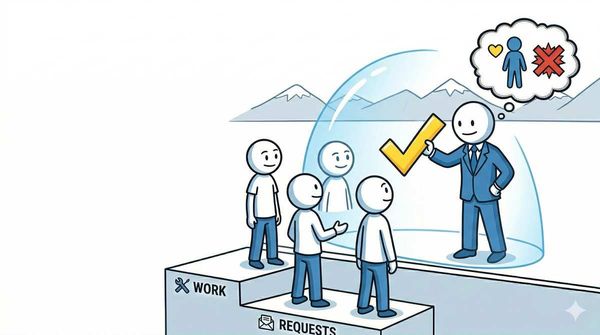
Hold the line on the assessment. That doesn't mean being cold or dismissive. It means being clear that the rating reflects the inputs and calibrations that went into it, and redirecting to what's actually useful: what happens next.
Give them agency
The thing that actually helps someone absorb bad news in a review is being clear about what they can control.
You can't change the rating. But you can give them information that puts something in their hands. Here's how you've been perceived. Here are the specific competencies where the gaps are showing up. Here's what people are observing. And here's what I'd focus on if you want things to look different next cycle.
That's not softening the blow. That's giving someone the levers that are actually available to them. People are smart. They want to know what the rules are so they can play by them. If you tell them clearly what better looks like and what they'd need to demonstrate, they can decide what they want to do with that information.
After the conversation
What happens next depends on how serious the gap is.
If someone missed the mark by a small amount — they didn't hit all the benchmarks but they're not far off — you don't necessarily need a formal plan. The ongoing one-on-ones carry the development work. You've been clear about what needs to shift, and you continue to give specific feedback through the normal rhythm.
If the gap is significant enough that they're at risk of not being in the right role, you need a performance improvement plan. And a performance improvement plan needs to be written clearly enough that there's no ambiguity about what's required.
This is actually where I think a lot of managers get it wrong. A PIP written in vague language is almost useless. "Demonstrate stronger communication skills" tells someone nothing. What does stronger communication look like in this role? In which situations? Measured how? Over what timeframe?
The more specific and concrete the expectations, the more useful the plan is for everyone. If someone gets crystal-clear objectives in writing and still can't or won't meet them, that's diagnostic information. Either the communication isn't landing or the role isn't right for them.
Both of those are data points. Neither of them is failure — it's clarity.
The hardest case: when you inherited the situation
A lot of the time when managers end up delivering a surprise review, it's because they inherited the associate from someone else. New manager, mid-cycle. The previous manager set expectations, gave signals, and then left — without passing on a clear picture of where this person actually stood.
If that's your situation, the most important thing you can do is separate the delivery of the current review from the conversation about what comes next. You can acknowledge, without undermining the assessment, that you haven't had the full cycle together and that you're committed to making the next one clearer. That's honest. It doesn't open the rating for renegotiation, but it does signal that you're not just delivering a verdict and walking away.
Then do the work. Get to know what they're actually capable of. Start having the honest conversations the previous manager wasn't having. Give feedback close to the moment. Don't repeat the cycle that led to this conversation.
The review that lands well
Here's the paradox: a review that's truly well-executed should be the least eventful conversation of the year.
When you've been giving honest, specific feedback all along — when the associate knows exactly what's been observed, what's been valued, and where the gaps are — the review is just a summary. Nothing in it surprises anyone. The rating reflects conversations that have been happening since January. The associate might not love everything in it, but they're not shocked by it.
That's the target. Not a review that goes smoothly because you softened everything, but a review that goes smoothly because you did the work all year.
The antidote to surprises in a review is a feedback culture built around honesty year-round. The full framework is in How to Give Feedback That Actually Lands.