The First-Time Manager’s Real Problems
Your biggest challenge isn’t managing others — it’s unlearning how you worked before.

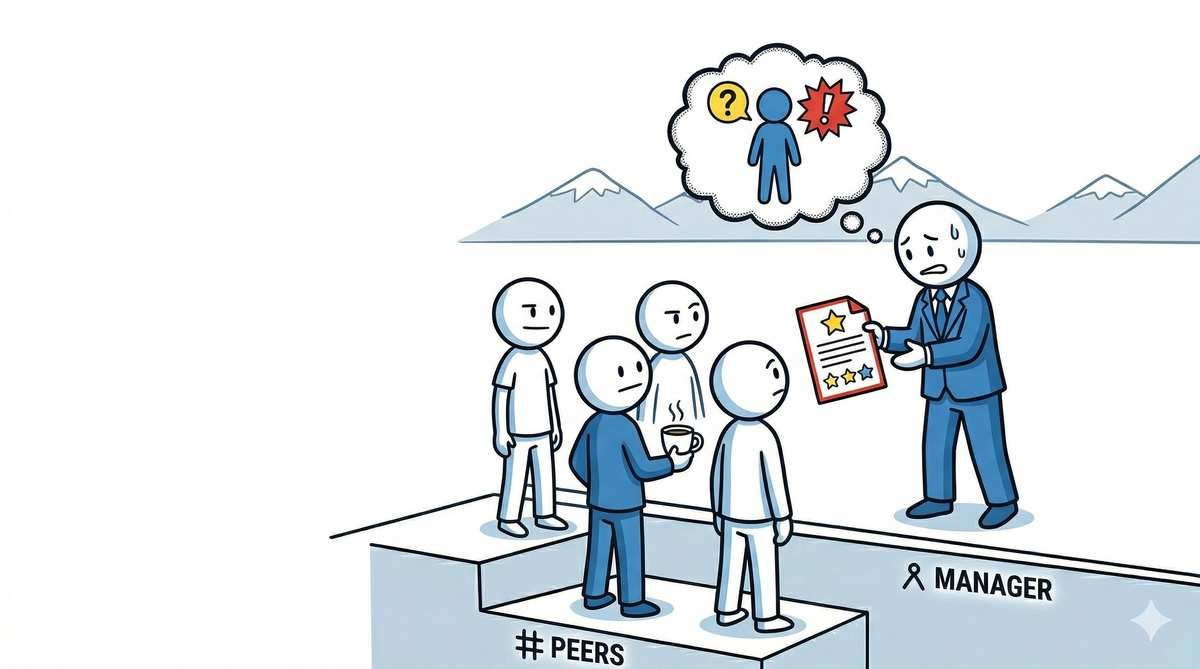
The biggest shock of becoming a manager isn’t the responsibility. It’s realizing that almost everything that made you good at your previous job is now slightly in the way.
You were promoted because you delivered. You figured things out faster than others. You had good judgment about how to solve problems. All of that is real. None of it directly transfers.
What Actually Changes When You Become a Manager
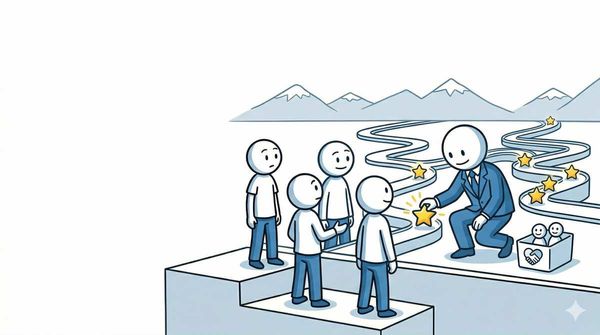
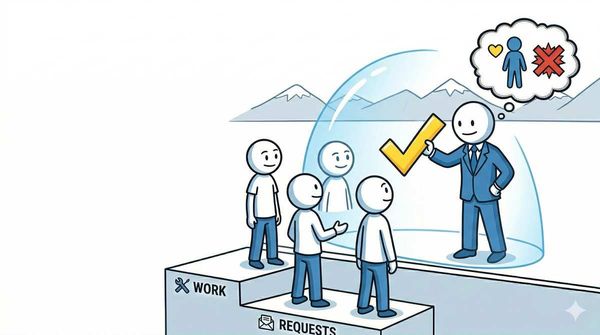
As an individual contributor, your job is to do the work. As a manager, your job is to make sure the work gets done — by other people, through decisions you make, contexts you create, and problems you clear. That’s a completely different operating model.
The first-time managers who struggle most are the ones who keep trying to be great individual contributors with a team attached. They dive into the details, they solve the problems themselves, they stay in the execution lane. It feels productive. It’s actually a trap.
The Unlearning Is the Hard Part
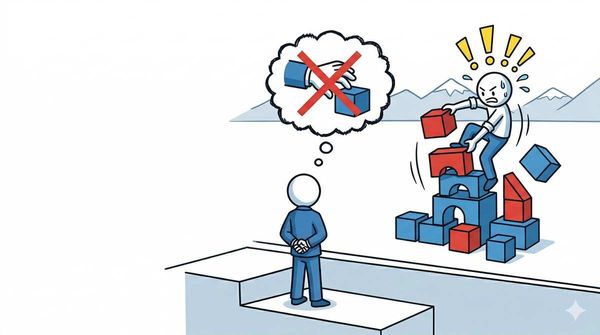
You have to unlearn the idea that doing is contributing. In a management role, doing — when your team could have done it — is actually a cost. It crowds out your people, it signals you don’t trust them, and it leaves your actual job undone.
You also have to unlearn the idea that your job is to have the answers. Your job is to make sure the right questions get asked and the right people are positioned to answer them.
What First-Time Managers Actually Need
They need someone to tell them clearly: your scoreboard just changed. The things that got you here aren’t the things that will make you successful in this role. Here’s what the new scoreboard looks like.
Most first-time managers don’t get that conversation. They get promoted and then handed responsibilities with the implicit assumption that they’ll figure it out. Some do. Many don’t, and then everyone wonders why.
If this resonates, also read: You’re Not a Doer Anymore, How to Set Boundaries Without Being Cold, and Building Credibility When Your Team Doesn’t Know You Yet.