You’re Not a Doer Anymore
The promotion was earned by doing. The job now is something else entirely.


When you get promoted into management, nobody sits you down and explains that your entire relationship to work just changed. They give you a new title, maybe a new salary band, and then they expect you to figure out the rest.
Here’s what changed: you used to be measured by what you produced. Now you’re measured by what your team produces. Those are not the same thing, and confusing them is where most new managers go wrong.
Why High Performers Struggle in This Transition
The people who get promoted into management are usually the ones who were best at doing. They had strong output, good instincts, fast execution. Those qualities got them noticed. They also make the transition harder.
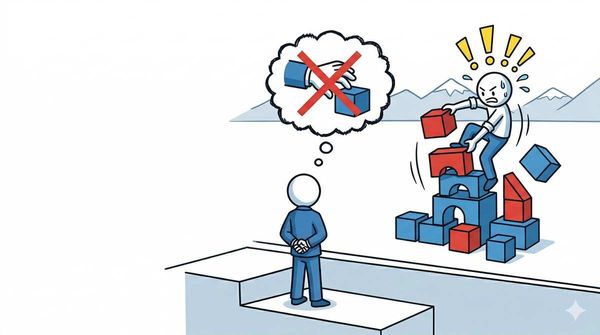
When you’re really good at something, your instinct is to stay close to it. You want to jump in when things are slow. You want to fix problems yourself because you know you can do it faster. That instinct is a liability in a management role.
What the Job Actually Is
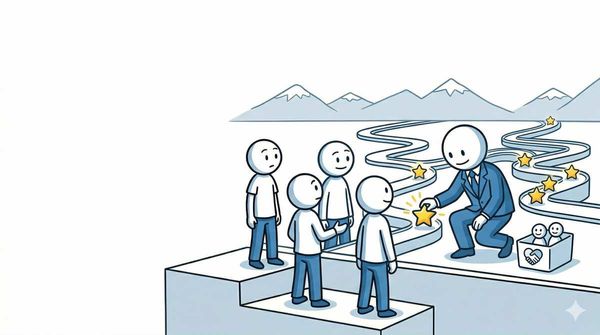
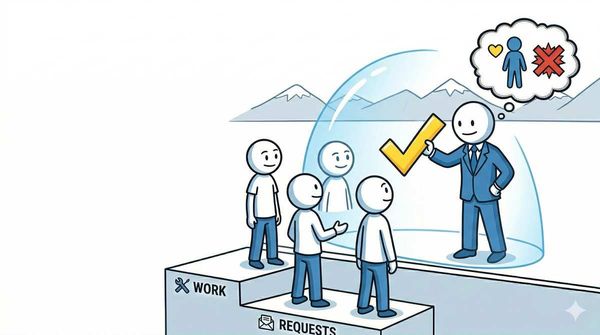
Your job now is to make decisions, create context, remove blockers, and build the conditions where your team can do their best work. None of that looks like doing in the traditional sense. All of it takes longer to see results from.
That’s the hardest part for new managers: the lag. When you were a contributor, you could see your output directly. As a manager, your impact shows up in what other people produce — sometimes weeks or months after the decisions and conversations you had.
The Shift in Practice
The most useful reframe I’ve found: instead of asking “what am I going to work on today?” ask “what does my team need from me today to do their best work?” Those are different questions. Over time, the second one becomes the right default.
This is part of the First-Time Manager’s Real Problems series. Also read: How to Set Boundaries Without Being Cold.