How to Monitor Without Micromanaging
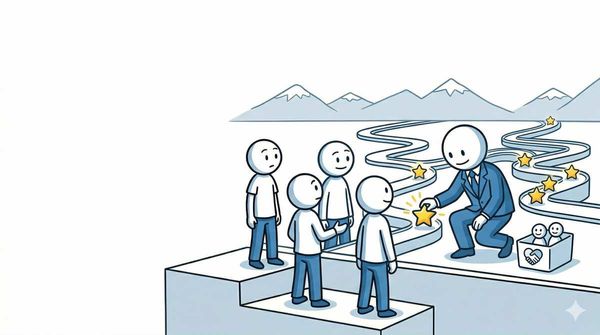
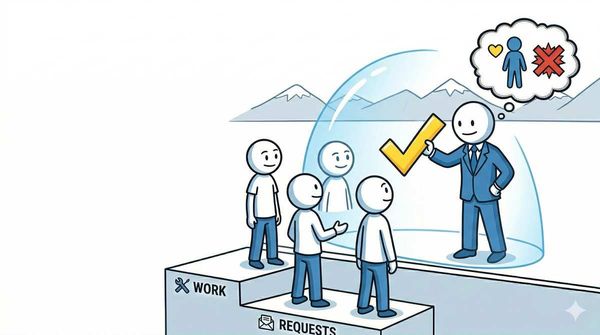
There’s a version of oversight that builds trust instead of killing it.

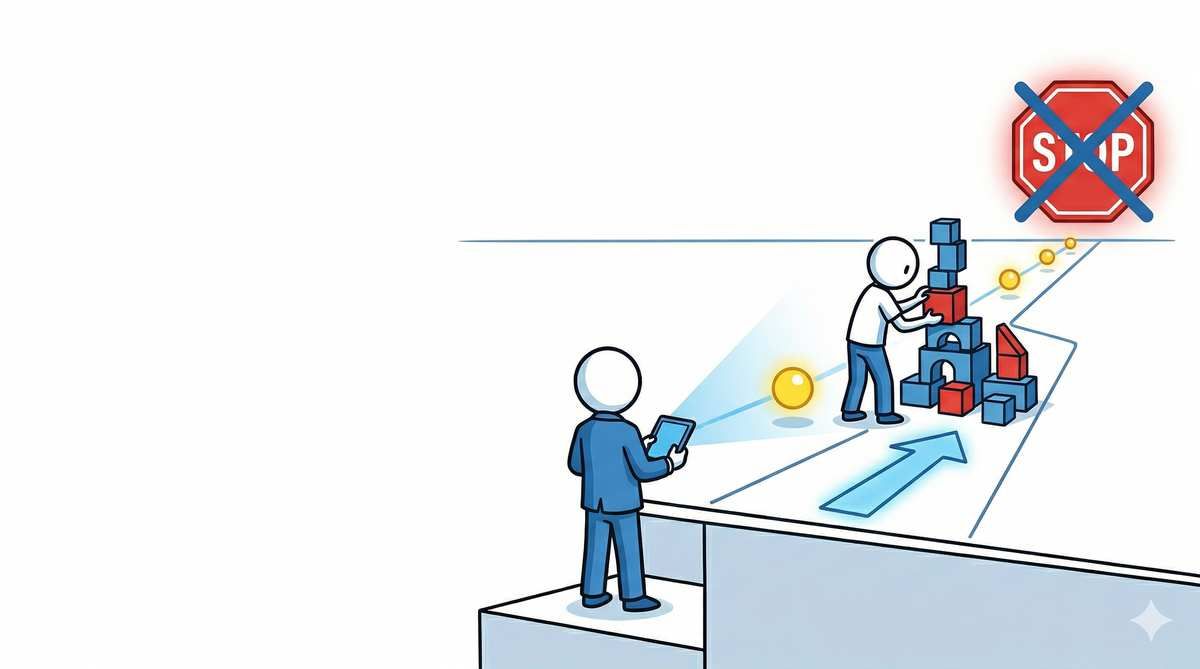
You can use metrics like OKRs, KPIs, SMART goals, throughput, velocity, quality assessments. But those are tools. The skill is knowing when and how to use them without suffocating someone.
What Checking In Without Micromanaging Actually Looks Like
I use natural process gates as checkpoints. I monitor work through PRD reviews, sprint ceremonies, one-on-ones. I try not to micromanage just because I can.
When you’re delegating an initiative, here’s the rhythm: the person develops a PRD with their cross-functional team and customers. They review it with me once we’re aligned. It moves into the planning interval. Then it gets developed over six weeks or so through sprint ceremonies where I see it in context with everything else. Those are the checkpoints.
The Difference Between Supportive and Distrusting Check-Ins
I feel least trusted when I’m reactively answering questions. I feel most trusted when I’m confidently sharing a story and helping guide direction.
If a check-in turns into a murder board — stump the chump where they just fire questions at you over and over — that’s not good. If it becomes a conversation about what we’re doing and how we should move forward, that’s useful.
When You Find a Problem Mid-Project
In our weekly ceremonies, product leads give status updates — roses and thorns. What went well, what didn’t. I look for: Is this consistent with what I expected? Are these problems I think they can solve? Do I need to step in?
If they own the problem and have a plan, I let them work it. If they’re stuck, I get involved. But I let them lead.
This is part of the Delegation Isn’t About Assigning Tasks series. Also read: Clarity of Expectations and Delegation and Trust.