When Someone Pushes Back on Your Feedback
Pushback is information. The question is what it’s actually telling you — and how to respond when it becomes a pattern.

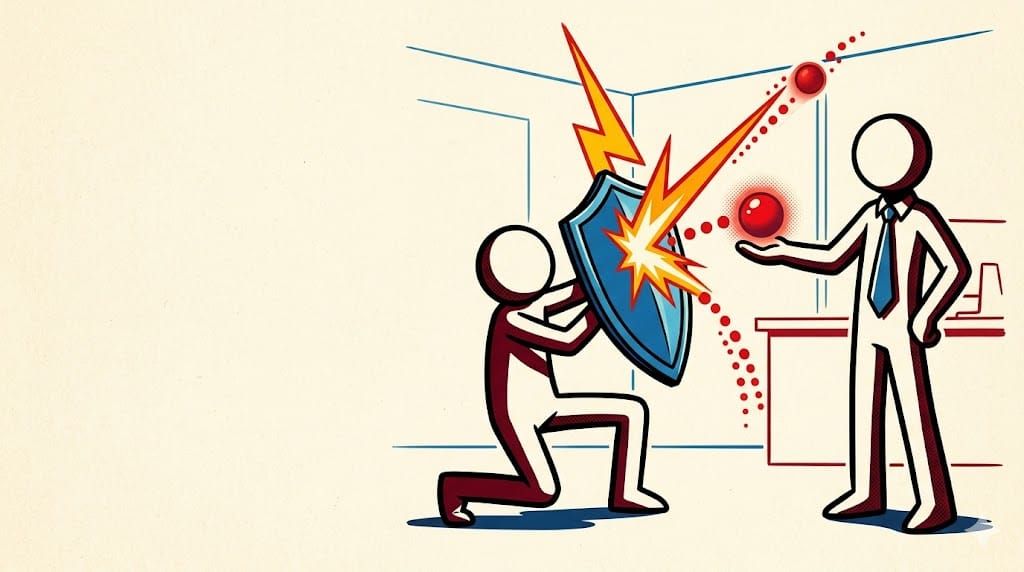
Pushback is information. The question is what it’s actually telling you.
Sometimes the person has a real point. They have context you don’t. The feedback was based on an incomplete read of the situation, and if you listen, you’ll give better feedback for it. That kind of pushback is worth taking seriously.
And sometimes the pushback is a pattern — a practiced move for making feedback collapse before it can land. Learning to tell the difference is one of the more important skills a manager can develop.
Listen First
When someone pushes back on feedback, the first move is to actually listen — and to show them you heard them before you respond. Echoing back what they said before you make your next move is one of the most underused tools in these conversations.
Not perform listening. Not wait for them to finish so you can restate your case. Actually take in what they’re saying and ask yourself: is there something here I didn’t account for?
This matters because managers aren’t always right. You’re working with incomplete information. You observed something, you drew a conclusion, and sometimes that conclusion misses something real. If you’ve built a culture where feedback is a one-way broadcast that you defend until the other person submits, you’re going to miss a lot.
So listen. Ask questions if you need to. Take their perspective seriously enough to actually update your view if the evidence warrants it.
The Pattern That Kills It
Here’s what defensive pushback looks like in practice.
You give feedback. The person starts scanning immediately — not for what to do differently, but for the thing that makes your feedback invalid. In that specific situation, I didn’t have all the context. If you knew what I knew, you’d see it differently. So your feedback doesn’t really apply.
They’ve defeated the feedback without engaging with it. And they’ve learned that this move works — that if they find the flaw in your observation, they don’t have to do anything with it.
That’s not a feedback problem. That’s a mindset problem. And you can’t fix it by giving better feedback. You have to address the pattern directly.
What to Say When It Becomes a Pattern
When pushback stops being a one-time response and starts being a consistent move, name it.
Not harshly. Just directly. Something like: I’m not here to interrogate this feedback or prove that it’s accurate. I’m here to share it with you. If you want to talk about what you’d do differently, I’m happy to do that. But I’m not going to keep defending the observation.
Then stop defending it. If they continue, exit the conversation gracefully. You’re not going to win an argument about whether your feedback was right. And trying to win it doesn’t help either of you.
What you do after is make a development note. This person struggles to receive feedback. That’s the real thing to work on — not the content of the feedback that triggered it.
When You’re the One Getting Defensive
This one’s worth being honest about.
I’ve been on the receiving end of feedback that hit wrong. My boss sent me a Slack message — no context, just a directive: I need a roadmap for this product by Thursday. No explanation of why. No acknowledgment of what else was on my plate. Just a task with a deadline.
I shut down immediately. I fired back. We went back and forth. By the end of the day, a significant chunk of my mental energy was gone — even though nothing visible had happened.
What I’ve learned from that: when I feel myself getting defensive, the worst thing I can do is respond immediately. Especially in writing. The words come out reactive, and then you’re managing the aftermath of the message on top of whatever started it.
The practice that helps: don’t respond right away. Let the initial reaction settle. Come back to it when you’re not in that state. You’ll give a better response, and you’ll stay in control of your own day.
And sometimes — not always, but sometimes — the feedback is right. Even if it was delivered badly.
This post is part of the series How to Give Feedback That Actually Lands.