The Hidden Cost of Vague Feedback
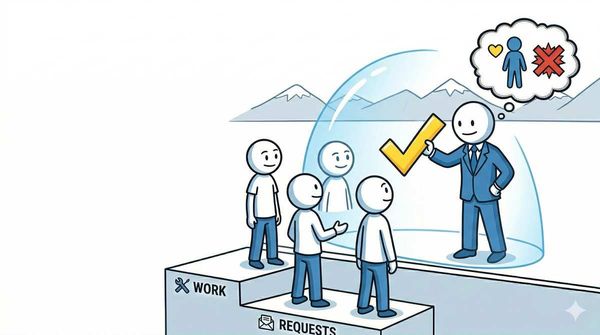
Vague feedback doesn’t feel dangerous. It feels considerate. The cost shows up later — when nothing has changed.


Vague feedback doesn’t feel dangerous. It feels considerate.
You soften the edges a little. You add some context. You make sure the person knows you’re not trying to be harsh. And by the time you’re done, you’ve said almost nothing at all.
The cost shows up later. The behavior doesn’t change. The person keeps doing the thing. And at some point you’re in a review cycle writing about a problem that you “addressed” six months ago — except you never actually addressed it.
When Specificity Fails
I had a senior manager on my team who was pushing hard for a promotion. The jump from manager to senior manager at our company is real — it’s not just a title change. Senior managers need to operate strategically. They develop the vision and roadmap for a whole area. Managers execute the short-term backlog for a specific feature or function.
This person was doing the delivery work well. But they weren’t thinking at the right level. Their customers were confused. NPS wasn’t great. And when it came to building a strategic narrative — explaining why the work mattered, where it was going, what it would achieve — they weren’t landing it.
So I gave feedback: You need to come to me with a strategy.
They came back a week later with a PowerPoint. A list of ten things they thought we should do and when. They walked through it and said: These are all things we’ve talked about before. You seemed to think they were important. Here they are.
And my reaction was: Why do we need to do these things? Why are these ten things and not ten other things? What are we trying to achieve?
They were confused. We’d talked about these topics before. I’d said they seemed important. Now I was saying the slide deck wasn’t what I needed.
The problem was mine. I kept saying “think more strategically” without ever showing them what that meant. And if you’ve never built a real strategy before, those words don’t mean anything. They’re just a big, vague thing you’re supposed to do.
Show, Don’t Tell
What finally landed wasn’t more feedback. It was a different approach entirely.
I sat down with their material and started showing them the structure. Let’s take a few slides and back up. What are the two or three things we actually want for this product? What does winning look like for our customers? Now — given that — what’s getting in the way? And of those obstacles, where do we have the most leverage with the resources we have?
That’s a strategy. Not a list of priorities. A narrative that connects customer outcomes to tradeoffs to choices.
And then I gave them a tool: When you want to raise the elevation of a question, ask why. When you want to go deeper, ask how. Practice that. It’ll change how you think about the work.
Once I showed them what it looked like — not described it, showed it — they could start building toward it. The feedback had been right. The delivery had been wrong.
What Vagueness Actually Costs
The hidden cost of vague feedback isn’t just that the behavior doesn’t change. It’s that the person thinks they’re doing what you asked.
They heard the feedback. They made an effort. They came back with what they believed was the answer. And now they’re getting more feedback that sounds like the same thing as before. At some point they stop trusting the feedback process entirely — not because they’re defensive, but because the feedback has never actually told them what to do differently.
Vague feedback is a tax on your team’s trust. Every time it happens, you spend down a little credibility. Eventually people stop bringing you problems, because they’ve learned that your feedback doesn’t actually help them solve anything.
Be specific. Show the gap. If you can’t show the gap yourself, you might not be the right person to give the feedback yet.
This post is part of the series How to Give Feedback That Actually Lands. If timing is what’s getting in the way, read Feedback Timing: Why 24 Hours Changes Everything.