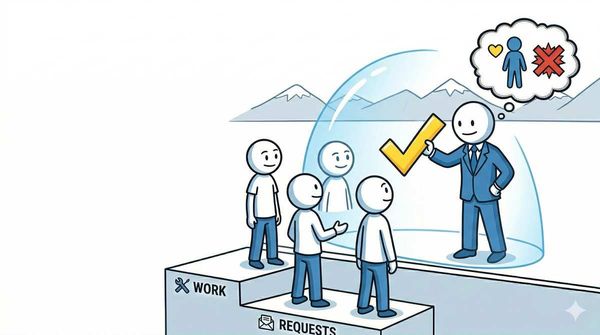
Feedback Timing: Why 24 Hours Changes Everything
The feedback was right. The timing was wrong. That’s enough to make the whole thing land badly.

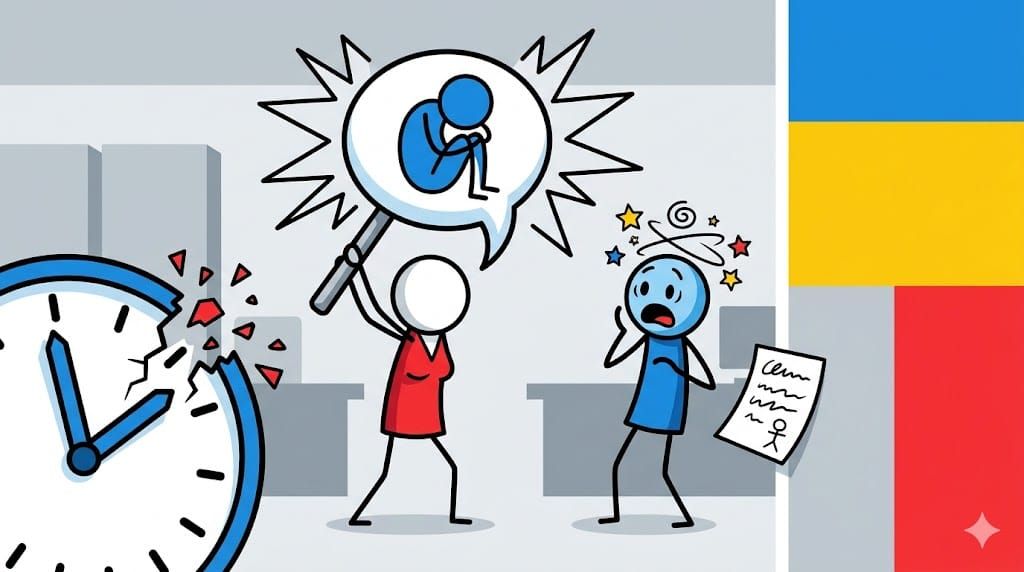
The feedback was right. The timing was wrong. And that’s enough to make the whole thing land badly.
Most managers treat timing like an afterthought — something you think about after you’ve figured out what to say. But timing is part of the message. It shapes how the other person hears it, whether they can actually take it in, and whether anything changes after.
The Worst Time to Give Feedback
The worst time to give feedback is when you’re embarrassed.
Something went wrong in a meeting. A deliverable missed. A conversation went sideways. You’re still in the emotional aftermath, and the feedback is forming fast — hot, reactive, and pointed.
In that moment, you’re not actually giving feedback. You’re processing. You might be looking for someone to absorb some of what you’re feeling. The person on the receiving end can feel that, even if they can’t name it. And feedback that feels like emotional discharge doesn’t land as guidance. It lands as punishment.
The practice that works: write it down in a few words. So-and-so needs help with X. Save it. Don’t send anything. Come back to it the next day.
What you’ll find is that the emotion has dissipated. You can look at the note with clearer eyes. Sometimes the feedback still holds and you deliver it better. Sometimes you realize the situation was more complicated than it looked in the moment. Either way, you’re making a better decision.
When You Need to Wait Longer
There’s a difference between tactical feedback and judgment feedback.
Tactical feedback — your email was unclear, your presentation buried the main point, you talked over someone in that meeting — those should happen close to the moment. Everything is still fresh. The specific instance is easy to reference. The person can connect your feedback to the action and actually use it.
Judgment feedback is different. When you’re evaluating how someone reads a situation, prioritizes tradeoffs, or makes calls under pressure — you often need to let things play out before you can give useful feedback.
I’ve made the mistake of jumping in too early on this. Giving someone feedback on a decision before I knew the outcome. And sometimes what I would’ve called poor judgment turned out to be exactly right — the person had context I didn’t, and they made the correct call. My feedback would’ve undermined their confidence in good instincts.
Ask yourself: am I reacting to the decision, or do I actually know the outcome yet? If you don’t know the outcome, wait.
The Other Side of Timing
Timing also works in the other direction. Feedback that waits too long loses its usefulness.
By the time you bring something up that happened three months ago, the person can’t connect it to anything real. They’ve moved on. They may have already adjusted the behavior on their own. Or they may have repeated the pattern ten more times in the gap, and now you’re addressing it after the damage is done.
The goal is close enough to be useful, far enough to be calm. For most tactical feedback, that means the same day or the next day — not three weeks later at a performance review.
If you’ve been sitting on feedback for more than a week, ask yourself why. Usually it’s one of two things: you’re not sure the feedback is right, or you’re avoiding the discomfort of the conversation. Both are worth looking at directly.
This post is part of the series How to Give Feedback That Actually Lands. If your one-on-ones are the primary place you’re giving feedback, make sure they’re not running as status updates first — The One-on-One Isn’t a Status Update.